


Across badminton racket projects, a second source is a vendor that holds the drawing, the tooling position and an approved first article, not one that has your part number in a price list. Most purchasers qualify a backup on a quote, then discover during the first emergency that the backup has never run the badminton racket process, owns no fixture and needs eight weeks to produce a sample. In badminton racket supply, real dual procurement is a qualification project run while the incumbent is still healthy, with its own approval, its own tooling arrangement and its own trial lot. This guide sets out what a badminton racket backup must demonstrate before anyone may call it a second source. The same test applies to any wholesale badminton racket.
Across badminton racket projects, a backup source with no approved first article is a telephone number, and the day it is needed is the day that becomes expensive.
As a manufacturer based in China, 杭州乐檬进出口有限公司 (www.factoryracket.com) supplies badminton rackets, shuttlecocks, tennis rackets and related products to clients in more than forty markets. In this guide we explain what actually determines quality in badminton and racket sports equipment, how to assess a plant before you commit, and how to build a supply relationship that holds up over years of repeat ordering.
On badminton racket orders, before you send a request for quote, be precise about what you are buying. For badminton racket buyers, these are the questions that separate a professional procurement decision from a hopeful one.
What is the production capacity and current delivery window? A plant that cannot state monthly capacity in units cannot forecast reliably.
Which quality standards apply, and can they evidence conformity? Insist on seeing BWF Laws of Badminton, ISO 9001 documentation rather than a verbal claim.
Is material traceability documented? Certificates of material origin prevent costly surprises.
What is the fault rate and how are returns handled? Insist on seeing historical data, not a policy statement.
Can they customize to your market's specification? Voltage, sizing, labelling and packaging often differ by country.
What after-sales support is included?Across badminton racket projects, spare parts availability and technical support determine lifetime cost.
What is the total landed cost? Freight, duty and durability matter more than FOB price.
Quality in badminton and racket sports equipment is the sum of four things: material selection, manufacturing precision, assembly consistency, and testing discipline. A badminton racket can look identical to a competitor and behave completely differently after six months in service if any one of these is weaker.
Material grade:the raw material must match the badminton racket requirement, with certificates to prove it.
Manufacturing precision:tolerances must hold across the production run, not just the badminton racket sample.
Assembly consistency: repeatable processes prevent batch-to-batch variation.
Testing discipline: functional and safety testing must be routine, not exceptional.
On badminton racket orders, for importers, the practical implication is that you should evaluate capability rather than appearance. A well-equipped plant with documented processes will out-perform a low-cost workshop every time, even if the sample badminton rackets look the same.
We recommend auditing five dimensions before the first paid order.
Insist on seeing facility size, equipment list, monthly output, and the number of production lines. On badminton racket orders, a production site that can describe its bottleneck process understands its own capacity. Request photos or a live video walkthrough of the production floor.
Establish certification such as BWF approval, ISO 9001:2015 and ask to see the internal verification records. A genuine quality system produces documents: incoming material checks, in-process checks, and final verification reports.
Across badminton racket projects, grasp where raw materials come from and how they are verified. On badminton racket orders, vertically integrated sources control more of the quality chain and are less exposed to sub-vendor issues.
On badminton racket jobs, ask which tests are performed in-house and which are outsourced to third parties. For export markets, third-party test reports from recognised laboratories carry more weight than internal claims.
On badminton racket jobs, go through responsiveness during the quote stage — it is a good predictor of post-sale behaviour. Probe spare parts availability, technical documentation, and warranty terms in writing.
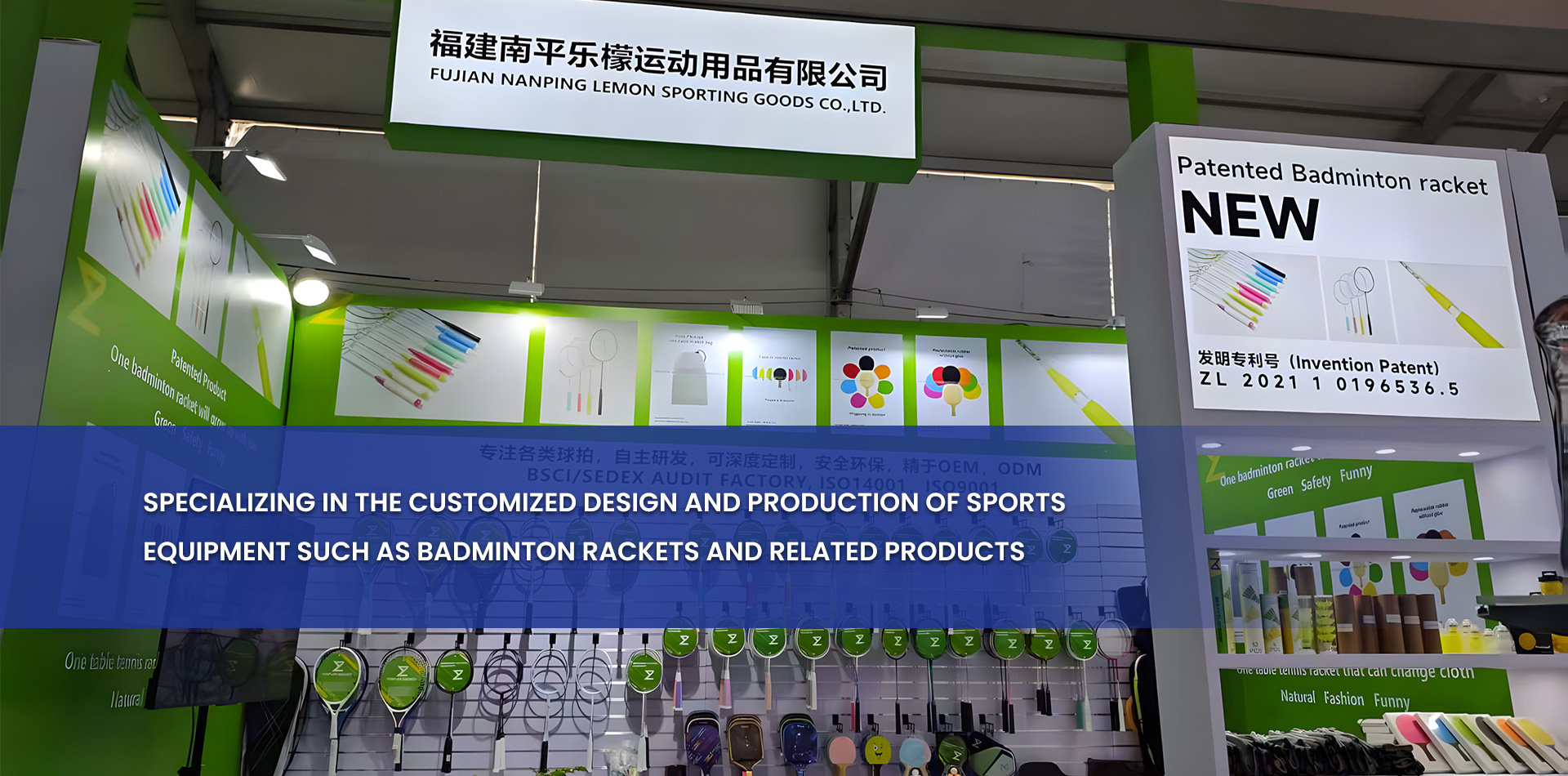
On badminton racket jobs, most purchasers eventually want their own branding, and the best time to discuss it is before the first order. Typical customization includes product sizing, colour, labelling, packaging, and documentation.
Product customization: dimensions, capacity, voltage and configuration tailored to your market.
Branding: logo marking, silk-screen printing, embossing or laser marking.
Packaging: neutral, retail-ready or private-label cartons with your barcode and conformity text.
Documentation: user manuals and conformity statements in your market's language.
Discuss minimum order quantities for customized runs early, because decoration and tooling often set a higher MOQ than the base product.
Unit price is only one part of the equation. Across badminton racket projects, the lowest quote frequently carries the highest total cost once durability, freight and returns are included.
| Cost Factor | What to Compare | Hidden Exposure |
|---|---|---|
| Unit price | FOB per unit | Ignoring specification differences |
| Durability | Service life | Premature failure and warranty claims |
| Freight | Volumetric weight | Light but bulky dispatches cost more |
| Duty and conformity | HS code and certification | Clearance delays |
| Returns | Fault rate | Reputational damage |
| Support | Spare parts and service | Downtime for your client |
Build a landed-cost model and negotiate on the total. For badminton racket buyers, sources respect importers who understand their cost drivers because it signals a long-term relationship.
The best pricing and priority allocation go to importers who order predictably. Share a rolling forecast, place consistent badminton racket orders, and give clear feedback on quality. For badminton racket buyers, plants reward reliable partners with better lead times and preferential treatment when capacity is tight.
It also helps to visit the badminton racket plant when practical. A single visit reveals more about capability than months of email.
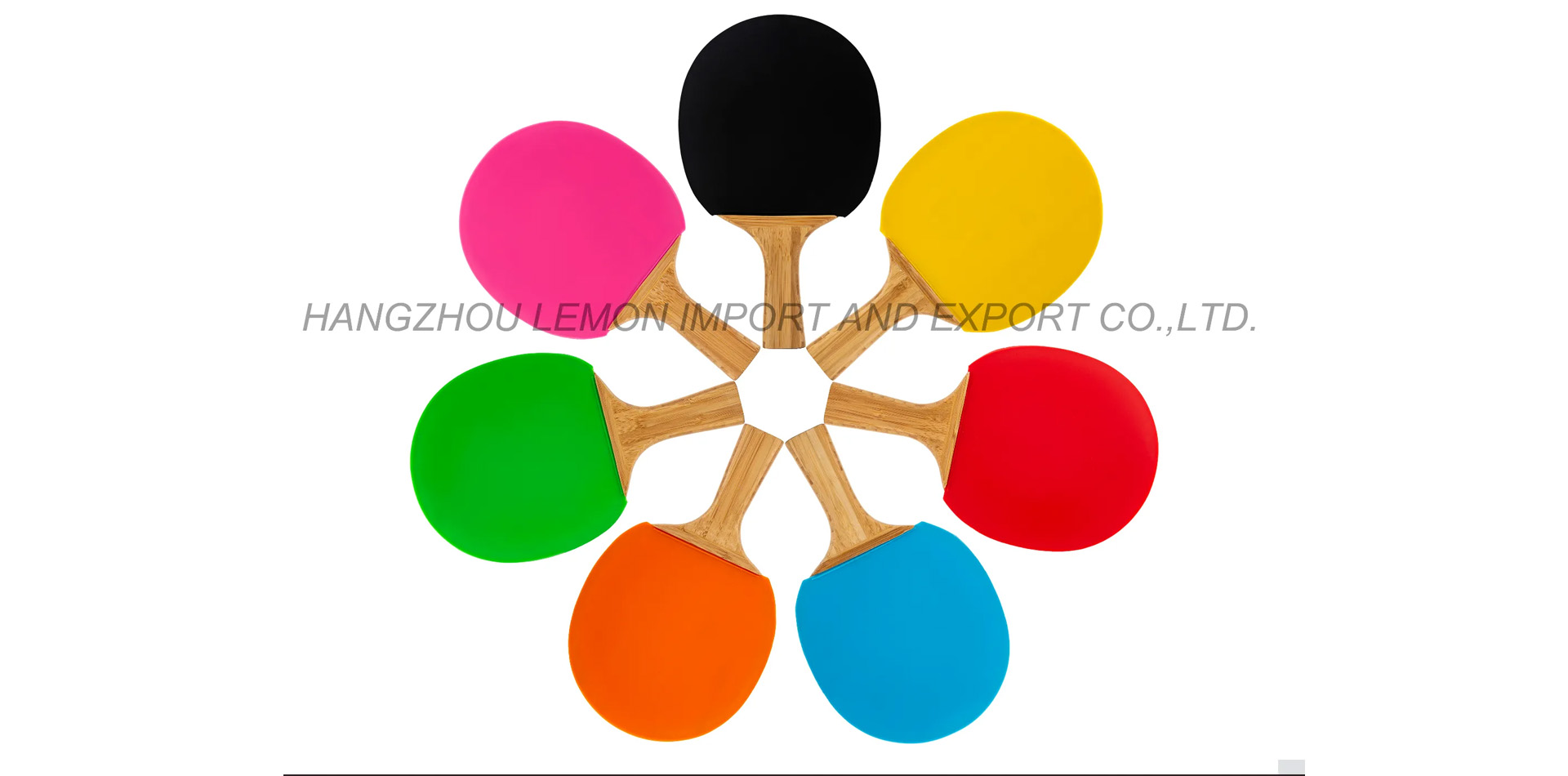
Not every vendor is the same kind of business. On badminton racket jobs, understanding the model helps you choose the one that fits your needs.
| Source Type | Control Over Quality | Price Level | Best For | Main Exposure |
|---|---|---|---|---|
| Direct plant | Highest | Competitive | Volume purchasers | Higher MOQ |
| Trading company | Medium | Higher | Small or mixed orders | Less quality control |
| OEM/ODM partner | High | Competitive | Brand owners | Development time |
| Distributor | Low | Highest | Urgent small orders | Limited customization |
For most importers building a brand or a stable catalogue, a direct production site with genuine customization capability offers the best balance of quality control, price and flexibility.
Depending on your destination market, several standards and certifications may apply to badminton and racket sports equipment. Confirming them early prevents costly conformity surprises.
BWF Laws of Badminton:confirm the badminton racket plant can supply documentation for this standard where it applies to your market.
ISO 9001:confirm the badminton racket plant can supply documentation for this standard where it applies to your market.
CE:confirm the badminton racket plant can supply documentation for this standard where it applies to your market.
REACH: confirm the production site can supply documentation for this standard where it applies to your market.
BWF approval: request the certificate and verify its validity and scope.
ISO 9001:2015: request the certificate and verify its validity and scope.
CE: request the certificate and verify its validity and scope.
A structured process reduces exposure far more than a clever negotiation.
Define your technical specification and target market conditions.
Shortlist three sources and request capability data and references.
Order paid samples and test them against your specification.
Audit the chosen plant against the five dimensions above.
Agree pricing, MOQ, packaging and lead times in writing.
Place a trial order and inspect the consignment on arrival.
Examine performance with real clients before scaling.
Lock in capacity and lead times for the coming season.
For badminton racket buyers, a first article is the only artefact that shows a production site has produced your geometry with your tolerance, on a machine it owns, with a fixture it built. A backup badminton rackets source without one has demonstrated a price, not a capability, and the gap shows up as a seven-week sample turnaround in the week the incumbent fails. Approval is a sequence, not a document: the drawing package is acknowledged against BWF Laws of Badminton, the fixture and programme are proven on a trial lot of at least 30 pieces, the measured values are recorded against every dimension, and the client signs. In badminton racket supply, skipping the trial-lot step is the frequent shortcut, and it is the step that separates a first article from a hand-built demonstration piece.
| Evidence in a Backup Qualification | What It Conserves When the Incumbent Fails | How to Test It Before You Need It |
|---|---|---|
| Approved first article, signed | The ability to ship a conforming badminton rackets on day one instead of after a sample cycle | Obtain the approval date and the drawing revision it references |
| Tooling position in writing | Whether the badminton racket tool exists, who owns it and where it is stored | Request a photograph of the tool with its asset tag and the last maintenance date |
| Trial lot of 30 consecutive pieces | Evidence the badminton racket process holds tolerance beyond a single piece | Require the raw measurements, not the pass statement |
| Reserved capacity window | A production slot rather than a promise of one | Ask how many badminton racket units per week are held and for which weeks |
| Packing and label proof | That the backup can ship into your channel without relabelling | Obtain one packed and labelled carton, photographed, before the emergency |
| Documentary set on file | Customs and quality paperwork ready for a badminton racket consignment at short notice | Verify the certificate template names your specification revision |
The cost of qualifying a second source properly is a trial lot, a verification visit and roughly one engineer-week per badminton rackets family; the cost of not doing it is whatever the incumbent's failure costs, multiplied by the delivery window of the unqualified alternative. Importers who run the qualification as a project with a start date, a budget and a sign-off find a second effect: the incumbent's pricing improves, because a credible alternative changes the conversation at renewal. For badminton rackets work in clubs and academies, keep the qualification live by placing one small order per year through the backup — an approved vendor that has not shipped in 24 months has an approval, not a capability.
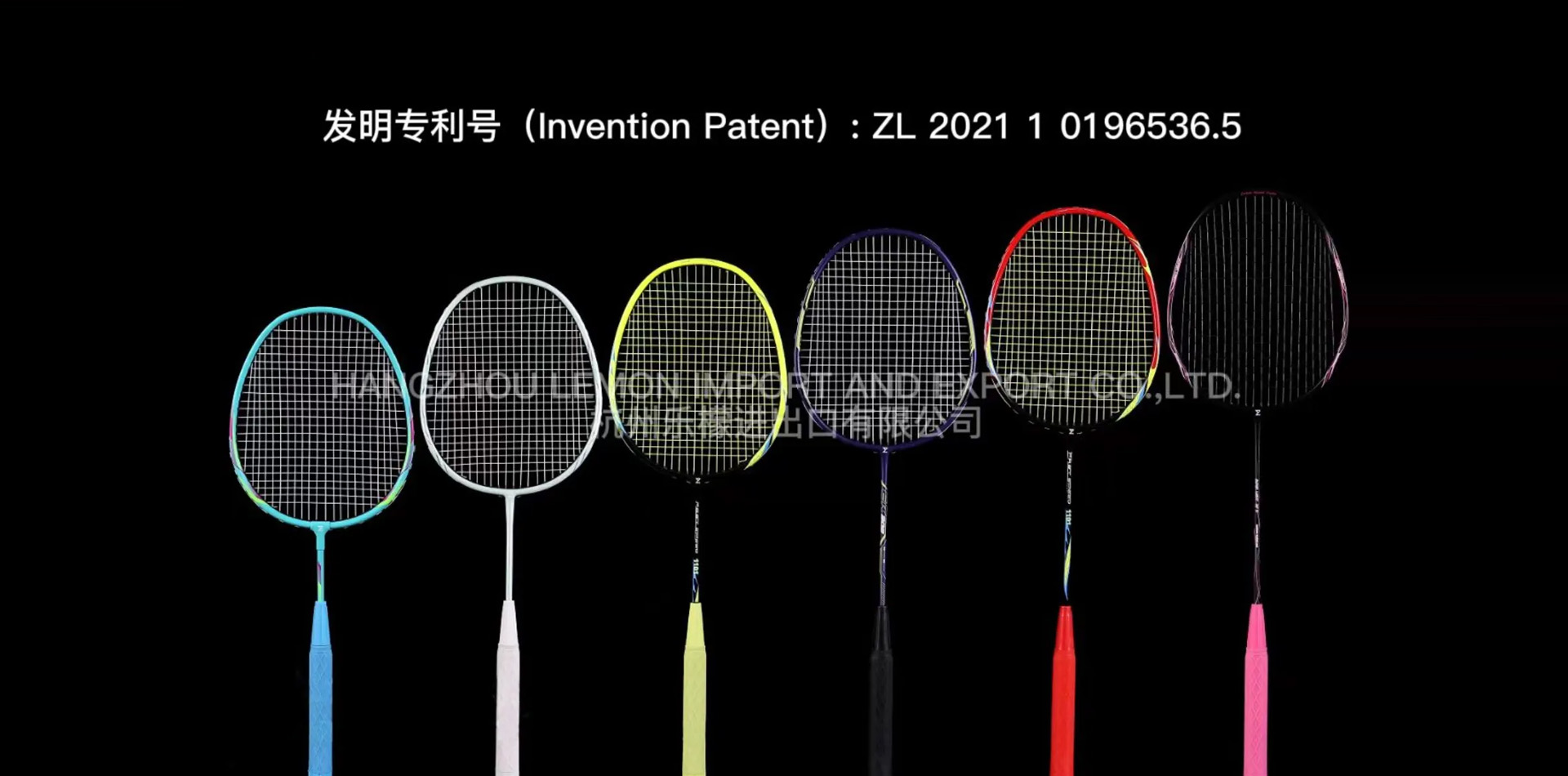
Read the scope, not the logo. A BWF approval certificate names the site, the processes and often the product families it covers; if the badminton racket is plated, heat treated or coated elsewhere, the certificate of the assembling plant says nothing about that step. Request the scope document for each address in the process route, and check the BWF Laws of Badminton clause that the test evidence is claimed against.
Five things: the standard and revision that governs acceptance, the packing and wood-packaging condition, the badminton racket documents you expect before dispatch, the person who may accept a deviation, and the destination. A drawing carries geometry and tolerance; it rarely carries BWF Laws of Badminton evidence, packing treatment or documentary conditions, and those are the four causes of most badminton rackets claims we see in clubs and academies.
Two live and one dormant is a workable rule. Two live means both have an approved first article, a tooling position and have shipped within the last twelve months; a dormant source with an approval on file is worth keeping for the badminton and racket sports equipment where switching costs are high. A backup that has never produced a badminton racket is not a second source, whatever the quote says.
Thirty consecutive pieces from the production process, every drawing dimension measured and recorded, the material certificate traced by heat number, and the packing checked as a separate item. Three hand-built pieces measured on two dimensions is a sample, not a first article, and the difference shows up in the second batch rather than the first badminton rackets dispatch.
Across badminton racket projects, the importer pays, and should budget for it as part of the landed cost rather than treat it as a source concession. Third-party verification of a badminton racket lot typically costs a fraction of a percent of order value, and it buys an independent record that a source-funded verification cannot provide. In badminton racket supply, agree the scope, the sampling level and the report format before booking, or the inspector will apply a default plan that may not match your ISO 9001 requirement.
On badminton racket jobs, convert both to one system before comparing a single line, and check three places where the conversion is usually skipped: thread designation, tolerance class and pressure rating. A quote in inches with a class 2B thread is not interchangeable with a metric quote that assumes a different fit, and the badminton racket that arrives will not assemble. State the badminton racket system in the enquiry and require the quote to answer in it.
The first order mobilises everything a plant has: the owner walks the floor, the best operator runs the badminton racket job, the engineer checks the drawing twice and the packing is photographed before it leaves. The second order mobilises the system. In badminton racket supply, nobody senior is watching, the operator may differ, the tool has one production run of wear on it, and the paperwork is produced from the previous file. That is not cynicism, it is how capacity works, and it is why the second delivery of a badminton racket order predicts the next twenty better than the first one.
| What Changes Between Order One and Order Two | Why It Changes | What to Watch on the Second Badminton Rackets Dispatch |
|---|---|---|
| The people who run the job | Attention moves to the next new programme; the badminton racket becomes routine | Compare the operator and inspector recorded on the second lot with the first |
| The tool or programme | A production run of wear or drift has accumulated on the badminton racket tool | Request the tool maintenance record and the last dimensional check |
| The paperwork | Templates are reused, so a consignee line or a revision can survive unexamined | Read the second certificate against the first, line by line |
| The material batch | A different heat or lot enters at the same nominal grade | Require the heat number on the packing list, not only in the certificate |
| The schedule | The second badminton racket order sits behind other work rather than at the front of the queue | Ask what position the badminton racket order holds and which other jobs share the line |
The practical consequence is a review that most purchasers skip: a verification of the second dispatch against the first, not against the badminton racket requirement alone. Four questions cover it. Is the certificate written by the same process, with the same fields filled? Are the measured values in the same region of the tolerance, or has the badminton racket process drifted toward a limit? Has the packing changed in any way, including the pallet, the desiccant or the label position? And has any sub-component changed vendor since the first lot, which is the change most likely to be invisible on the drawing? For badminton racket buyers, a vendor that answers all four with records is running a system; one that answers with reassurance is running on the memory of the first order.
There is a commercial use for the same observation. Across badminton racket projects, price conversations happen at renewal, and the second-order evidence is the strongest material a purchaser can bring: a drift toward a tolerance limit, a certificate with an empty field, a packing change nobody was told about. On badminton racket orders, none of it is an accusation, and all of it changes the tone of a review from a request for a discount to a discussion about capability. For badminton racket programmes in clubs and academies, the second dispatch is also the right moment to test one deviation request and see how it is handled, because a source's deviation process under routine conditions tells you how it will behave under pressure.
For badminton racket buyers, a qualification file is a folder someone can open in a crisis and act on without calling the engineer who built it. Five documents belong in it, and each one answers a question that will be asked at the worst possible moment:
The approved first article: the measured record for a production-lot badminton rackets, signed against a named drawing revision, with the gauge identified for each dimension.
The tooling statement: who owns the badminton racket tool, where it is stored, what condition it is in, and what it costs to move it to another plant.
The capacity window: the number of badminton rackets units per week the backup will hold, for which weeks, and the notice required to activate it.
The documentary template: a specimen certificate, packing list and label for the backup, checked against your customs and channel conditions rather than assumed identical.
The activation procedure: who calls whom, in what order, with what delivery window, and which of your specifications must be re-confirmed before the first consignment.
For badminton racket buyers, the activation procedure is the document importers omit and the one that saves the most time. On badminton racket jobs, qualifying a backup takes months; activating it takes a decision made under pressure by someone who may not have been in the original project. A one-page procedure naming the contact, the notice period, the drawing revision to re-confirm and the verification to repeat turns a panic into a plan. For badminton rackets supply in clubs and academies, review the file annually and after any BWF Laws of Badminton change notification, because a qualification that describes a process the source no longer runs is worse than no file at all: it produces confidence without capability.

Four conventions account for most of the geometry that arrives wrong from another country, and all four are cheap to state on the sheet:
| Convention | What Goes Wrong When It Is Implied | What to Print on the Drawing |
|---|---|---|
| Linear unit | A dimension read as inches becomes millimetres, or the reverse, and the badminton racket is scrap | MM or INCH in the title block, and the badminton racket repeated in the tolerance block |
| Thread form | NPT and BSP look similar and do not seal interchangeably on a badminton racket port | The thread standard, the size and the class, with a go/no-go gauge condition |
| Tolerance basis | A general tolerance block applied to a feature that needs its own | The general block cited by standard, plus individual tolerances where tighter |
| Datum scheme | Two inspectors choose two origins and disagree about every dimension | Datums lettered on the badminton racket drawing and referenced in the feature callouts |
| Surface texture | Ra quoted without a cutoff length, so two labs measure different numbers | Ra value, the cutoff in millimetres and the standard it is measured to |
Across badminton racket projects, the check is a five-minute read of the title block before the drawing is released, and it prevents the class of error that cannot be reworked. A badminton racket with the wrong thread is not a dimensional deviation that can be sorted; it is a batch that will not assemble at the client's plant. Ask new vendors to return the drawing with the four conventions marked in their own reading — a plant that annotates the badminton racket, the thread, the datum scheme and the tolerance basis before quoting has read the sheet, and that annotation is the cheapest drawing review an importer will ever receive.
In badminton racket supply, a vendor file that is opened only when something fails is a complaint log. The useful version reopens on a calendar, because most of the conditions that change a badminton racket supply relationship change quietly: a tool reaches its maintenance interval, a certificate approaches its surveillance audit, a specification revision lands, a raw material index moves. On badminton racket jobs, four triggers are worth putting on a schedule, and one frequent trigger is worth ignoring.
| Trigger | Interval or Event | What to Do When It Fires |
|---|---|---|
| Re-quote | Annually, or when the badminton racket volume band changes by more than 20 percent | Insist on seeing a price breakdown by cost element, not a single figure, and compare against the index |
| Re-approve | After any BWF Laws of Badminton change notification, tool refurbishment or plant move | Repeat the first article on a production lot and re-sign it against the current drawing revision |
| Re-audit | Every 24 months, or immediately after a second nonconformity of the same cause | Audit the specific badminton racket process, not the whole system, and close findings in writing |
| Re-pack | When the destination, the carrier or the route changes | Re-run the packing validation for the new route, because a carton approved for sea is not approved for air |
| A price complaint from the clubs and academies market | Any time | Not a trigger by itself: a competitor's price is information about the market, not about your badminton racket source |
Across badminton racket projects, the distinction between a re-audit and a re-approval matters, because importers often do the cheaper one and expect the benefit of the other. An audit checks that a system exists; a re-approval checks that a badminton racket actually conforms today. In badminton racket supply, a vendor can pass an audit while a tool has drifted, and it can produce a conforming first article while its documentation has decayed. Running the two on different clocks — audit every two years, re-approval after anything that touches the process — keeps both honest for clubs and academies work.
What should not reopen the file is a competitor's quote. A price from an unknown source is a hypothesis about cost, and treating it as evidence produces the cycle where an importer re-tenders every year and never re-approves anything, which is how a badminton racket programme accumulates sources it cannot trust and specifications nobody has validated.
On badminton racket orders, a nonconformance report that arrives as a photograph and the words not to specification will produce a reply that argues about the photograph. The report has one job: make the cause discussable. Six elements do that.
The condition, quoted: the clause, drawing dimension or BWF Laws of Badminton condition that was not met, with its tolerance, so the gap is a number rather than an impression.
The observation, measured: what was measured on the badminton racket, with the instrument and the method, and how many pieces out of how many were affected.
The lot identity:the badminton racket lot, heat or serial range, the dispatch date and the quantity, because a vendor cannot investigate a population it cannot identify.
The consequence, stated plainly: what the fault did or would have done at your plant, in hours, units or cost, without exaggeration — it sets the priority the badminton racket case receives.
The expectation, specific: containment by a date, a root cause with evidence, a corrective action that changes a process rather than a promise, and a verification step.
The evidence attached: photographs with a scale, the measurement record and, where relevant, the retained sample reference for the badminton racket lot.
The difference this makes is visible in the reply. In badminton racket supply, a report that states a condition, a measurement and a lot identity gets an 8D with a cause; a report that states a disappointment gets an apology and a replacement. Across badminton racket projects, neither is dishonest — vendors respond to the question they were asked. For badminton rackets nonconformities in clubs and academies, add one line asking whether the same condition could exist in lots already shipped, because that question is the one that protects your clients, and it changes the source's scope from this batch to the process.
On badminton racket orders, three routes exist and each has a different failure mode: the source's own crew, a local contractor appointed by the importer, or a general contractor who carries both. For badminton racket buyers, the choice is usually made on price and should be made on who can be held to the interface.
| Route | What It Suits for a Badminton Racket | What to Verify Before Appointment | Where It Fails |
|---|---|---|---|
| Vendor's own installation team | A badminton racket with a proprietary control system or a warranty that depends on commissioning by the maker | The crew's authorisation from the production site and the commissioning protocol they will follow | Travel cost drives a compressed schedule, and the local works are left incomplete |
| Local specialist contractor | A badminton racket that needs local permits, lifting equipment and a workforce on site for weeks | References on the same badminton rackets type, insurance, and a named supervisor who will actually attend | Familiarity with the site but not with the badminton racket, so the manual becomes the method statement |
| General contractor | A package where the badminton racket is one of several trades and the interfaces are many | The split of responsibility in writing, and the commissioning authority for each system | Interface gaps are absorbed silently and surface at startup as somebody else's issue |
On badminton racket jobs, qualification has three parts, and the middle one is usually skipped. Require references on the same badminton rackets type rather than the same industry, because a crew that has commissioned your equipment elsewhere is worth more than one that knows the building. For badminton racket buyers, request the named supervisor and confirm that person will be on site for the critical days, since a proposal is often written around a supervisor who then attends the first morning. And ask for the commissioning protocol in advance, so that the acceptance criteria for the badminton racket are agreed before anyone is under schedule pressure to declare it finished.
Across badminton racket projects, whichever route is chosen, one document makes it work: a commissioning plan that lists every test, the acceptance value in units, the instrument, and the party responsible for signing. Without it, commissioning becomes a negotiation about whether the machine is running rather than a record of whether it meets the badminton racket requirement — and the difference is settled weeks later, in a meeting where the only evidence is memory.

Not always, and it is worth deciding deliberately. A catalogue badminton rackets shipped from stock is controlled by the vendor's own plan, and asking for a project-specific one produces a document written for the occasion. Where the badminton racket is made to your drawing, or where a fault would stop your line, ask for the control plan rows covering the characteristics you rely on, with the reaction plan filled in.
Treat it as unclassified until you decide, and record the decision as a specification gap rather than a source failure. If the condition affects function or safety on the badminton racket, classify it major for this lot and add the condition to the next revision; if it does not, classify it minor and say so in writing. On badminton racket jobs, the class you choose becomes a precedent, which is why it should be written down rather than remembered.
On badminton racket orders, it should be able to append a correction and it should not be able to overwrite a value. Require an audit trail that keeps the original entry, the changed entry, the user, the timestamp and the reason, and check one example during the next audit. A record that can be silently rewritten is not evidence of a badminton racket lot; it is a claim about one.
Usually the party holding the badminton racket at the time, which is decided by the dispatch term and by who failed to produce a document. For badminton racket buyers, legalisation and documentary errors are normally the shipper's cost; a customs query about value is normally the importer's. Agree in the badminton racket agreement who bears storage and demurrage when a hold is caused by a documentary fault, because the default is that the party with the least leverage pays.
On badminton racket jobs, enough to cover the lowest sustained load without cycling, with margin for the season when demand is weakest. Require the minimum stable point as a percentage of rated output, then compare it with your lowest expected load in clubs and academies rather than with your average. Where the gap is large, two smaller badminton rackets units or a buffer vessel usually beat one large unit running at the edge of its range.
A condition without a value is an intention. The eight lines below are the ones that decide most badminton rackets disputes, each written as a number and a method so a third party can check it without asking either party what was meant. The values are drawn from the cited standards and form a defensible starting envelope for clubs and academies; tighten them where your process is less forgiving, and record the tightening against the BWF Laws of Badminton clause that justifies it.
| Condition | Value to write down | Method to cite | What the number prevents |
|---|---|---|---|
| Corrosion resistance | 240 h neutral salt spray, no base metal visible | ISO 9227 NSS | a finish that passes on verification day and fails in the first wet season |
| Incoming inspection | AQL 1.0, general inspection level II | ISO 2859-1 | sampling by habit, defended by a percentage that describes nothing |
| Transit packing | 900 mm drop, six faces, one carton per test | ISTA 1A / ISO 4180 | damage discovered by the consignee and disputed by everyone |
| Surface roughness | Ra 0.8–1.6 µm on sealing and mating faces | ISO 4287 | a leak path that no dimensional check will find |
| Operating envelope | -5 to +45 °C, 95% RH condensing | IEC 60068-2 / IEC 60529 | a badminton racket rated for a laboratory and installed in a monsoon |
| Material certificate | EN 10204 type 3.1, heat number traceable to the badminton racket | EN 10204 | a certificate that describes a different batch than the one shipped |
| Surface hardness | 180–220 HV after heat treatment, measured on a part, not a coupon | ISO 6507-1 | a hardness claim supported by a test piece that never went into the load |
| Pressure retention | 6 bar proof test, held 10 min, no permanent deformation | ISO 11607 / EN 13445 | a joint that passes at assembly and weeps at operating temperature |
Two of these lines carry most of the commercial weight. The tolerance line decides how much of the price is verification and how much is process control: at ±0.3 mm a badminton racket feature can be produced on a general-purpose machine, while one grade tighter usually moves the part to a second operation and adds a setup to every batch. On badminton racket jobs, the sampling line decides what evidence exists when a dispute starts: AQL 1.0 at level II means a defined number of pieces inspected, a defined acceptance number and a record that survives a change of personnel. In badminton racket supply, neither number is a promise about quality; both are promises about how quality will be demonstrated, which is what an auditor and a client's engineer actually read.
Tighten where failure is silent:a sealing face at Ra 0.8–1.6 µm, a coating at 60–80 µm, a pressure boundary at 6 bar — these fail months later and cost the relationship, not just the badminton racket.
Leave loose where failure is obvious: an oversized hole is caught at assembly on the badminton racket; spending verification money there buys nothing a fitter would not have found.
Tie every tightening to BWF Laws of Badminton: a value that cites a method can be argued with data; a value that cites a preference can only be argued with volume.
Send the eight lines with your next enquiry and ask for a written response that states, for each one, the value the badminton racket plant will hold, the method it will use and any deviation it would need. A source that answers all three is quoting against your criteria; one that answers only the badminton racket price is quoting against a catalogue. The condition set can go through the contact page at https://www.factoryracket.com/contact, and the reply should arrive as a document you can attach to the purchase order, which is where a number becomes enforceable. For badminton racket programmes in clubs and academies, that single page does more for quality than any clause about good workmanship.
| Record | Quantity or value | Reference | The failure it exposes |
|---|---|---|---|
| Salt spray coupon | 1 coupon per batch, assessed at 240 h and again at 240 h | ISO 9227 NSS | a coating certificate that outlives the coating itself |
| Packing validation | 900 mm drop and a 1.0 mm vibration sweep on one packed unit | ISTA 1A / ISO 4180 | a pallet that fails inside the container rather than in the warehouse |
| Hardness check | 3 readings per lot at 180–220 HV, on the badminton racket, location marked | ISO 6507-1 | a heat treatment verified on a coupon rather than on the badminton racket |
| Record retention | 10 years minimum, retrievable within 24 h of a request | ISO 9001 clause 7.5 | a traceability claim with nothing behind it when a claim arrives |
| Deviation log | Every concession numbered, with the condition relaxed and its expiry | ISO 9001 clause 8.7 | an informal yes that becomes the production site's new standard |
The record is where the numbers become usable. For badminton racket buyers, a first article of 3 pieces with every dimension written down takes about 90 minutes and settles arguments for years; a capability study of 30 consecutive pieces distinguishes a stable process from a lucky one; a coupon read at 240 h and again later catches the finish that degrades on its second exposure rather than its first. On badminton racket jobs, none of this needs new equipment, and all of it needs somebody to write the value down at the moment it is measured, which is the only difference between a quality system and a filing cabinet.
A badminton racket enquiry that states three things gets a usable answer: the duty the product must perform in clubs and academies, the constraint that governs the selection, and the destination with its documentary and packaging rules. Send them to 杭州乐檬进出口有限公司 through the contact page at https://www.factoryracket.com/contact and ask for the governing revision, the evidence against BWF Laws of Badminton, the performance data at your conditions and the document set you will receive before dispatch. The reply should be structured against your criteria rather than against a catalogue, and it should name the person who owns the technical answer for your badminton racket order.
Этот веб-сайт использует файлы cookie, чтобы обеспечить вам максимально эффективное использование нашего веб-сайта.


 English
 Español
 Français
 日本語
 한국어
 العربية
 हिन्दी
 Tiếng Việt
 中文



 телефон
Комментарий
(0)