


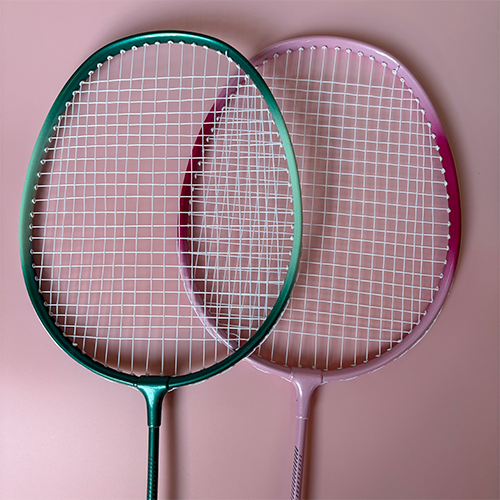
Выбор правильного типа баланса ракетки для бадминтона — один из важнейших шагов для улучшения ваших результатов на корте.
Независимо от того, являетесь ли вы новичком, игроком среднего уровня или опытным спортсменом, точка баланса бадминтонной ракетки влияет на мощность и контроль удара.
Скорость удара, маневренность, защита и общее ощущение. Среди наиболее распространенных вариантов: тяжелый голова и
фара Ракетки для бадминтона — это два наиболее часто обсуждаемых типа баланса в индустрии бадминтона.
В этом руководстве объясняется Ракетки для бадминтона с тяжелой и легкой головкой Изложенное понятным, оптимизированным для поисковых систем языком. Включает определение...
Описание каждого типа баланса: основные различия, преимущества, недостатки, общие характеристики, пригодность для игроков и практические соображения при покупке.
Контент предназначен для страниц блога, категорий, каталогов и отраслевых страниц, и разработан таким образом, чтобы быть легко читаемым, насыщенным ключевыми словами.
и оптимизирован для поисковых систем.
Баланс бадминтонной ракетки — это показатель того, как вес ракетки распределяется по её раме и стержню. Обычно он измеряется с помощью...
точка равновесия, то есть расстояние в миллиметрах от основания рукоятки до точки, где ракетка находится в равновесии.
горизонтально. Более высокое положение точки равновесия обычно означает, что ракетка более тяжелая в головной части, в то время как более низкое положение точки равновесия обычно означает, что ракетка более тяжелая в головной части.
Дополнительная фара.
Тип баланса играет важную роль в том, как ощущается ракетка для бадминтона во время игры. Он влияет на:
По этой причине баланс бадминтонной ракетки является одной из важнейших категорий характеристик наряду с весом, гибкостью стержня и размером рукоятки.
и натяжение струн.
А тяжелая ракетка для бадминтона Большая часть веса сосредоточена в головке ракетки. Такая конструкция увеличивает инерцию во время замаха.
и помогает генерировать больше мощности, особенно при атакующих ударах, таких как смэши, удары через всю длину корта и крутые быстрые укороченные удары. Ракетки с тяжелой головкой
Этот вариант обычно предпочитают игроки, стремящиеся к более высокой результативности в атаке.
В целом, ракетка с утяжеленной головкой кажется более медленной в управлении, чем ракетка с легкой головкой, но она может наносить более сильные удары и проникать в волан.
Дополнительная масса в головке ракетки помогает ей сохранять силу удара при контакте с воланом, что является одной из причин, почему бадминтон отличается тяжелым корпусом.
Ракетки часто ассоциируются с атакующей игрой.
Ракетки для бадминтона с утяжеленной головкой обладают рядом преимуществ, особенно для игроков с атакующим стилем игры.
Несмотря на свою мощь, ракетки с утяжеленной головкой могут подойти не каждому игроку или не каждому стилю игры.
А налобный фонарь ракетка для бадминтона Больший вес распределен скорее на рукоятку, чем на головку. Это создает ощущение большей легкости.
Смещенная к верхней части ракетки облегчает быстрый замах. Ракетки с легкой головкой широко используются игроками оборонительного плана, специалистами по парной игре.
а также игроки, которые полагаются на скорость, быструю реакцию и контроль.
Благодаря тому, что головка ракетки кажется легче, ракетки для бадминтона с облегченной головкой позволяют быстрее восстанавливать положение ракетки после каждого удара. Это может быть особенно полезно.
в динамичных розыгрышах, где игроки должны блокировать, поднимать, защищаться и контратаковать с минимальной задержкой.
Бадминтонные ракетки Head Light популярны среди игроков, которые ценят скорость и контроль.
Ракетки для бадминтона Head Light не всегда идеально подходят для игроков, которые в значительной степени полагаются на силу удара.
Главное различие между ракетками для бадминтона с утяжеленной и легкой головкой заключается в распределении веса. Это простое различие влияет на мощность удара.
Скорость, управляемость и ощущения от использования — всё это имеет решающее значение. Ниже представлена сравнительная таблица, в которой ключевые различия изложены в понятном и удобном для поиска формате.
| Особенность | Тяжелая ракетка для бадминтона | Налобный фонарь для бадминтона |
|---|---|---|
| Распределение веса | Увеличенный вес в головке ракетки | Больший вес в районе рукоятки |
| Точка равновесия | Более высокая точка равновесия | Нижняя точка равновесия |
| Власть | Более высокий потенциал мощности | Меньшая естественная сила, больше усилий требуется от игрока |
| Скорость | Более низкая скорость замаха | Более высокая скорость удара |
| Маневренность | от умеренного до низкого | Высокий |
| Защита | Менее быстры в быстрой обороне | Отлично подходит для быстрой оборонительной игры. |
| Сетевая игра | Стабильный, но немного менее маневренный. | Очень гибкие и отзывчивые. |
| стиль атаки | Лучше всего подходит для агрессивной атаки. | Лучший вариант для быстрой контр-игры. |
| Усталость игроков | При длительных тренировках может ощущаться большая усталость. | Зачастую проще в использовании для быстрой игры. |
| Типичное использование | Одиночный разряд, игра в задней части корта, атакующий парный разряд. | Защита, атакующие розыгрыши, быстрые обмены ударами в двойном порядке |
Точка баланса обычно используется для классификации типов баланса ракеток для бадминтона. Хотя точные диапазоны могут немного отличаться у разных производителей,
В следующей таблице представлен общий отраслевой справочник по категориям баланса.
| Тип баланса | Приблизительная точка равновесия | Типичное ощущение |
|---|---|---|
| Фара | Менее 285 мм | Быстрый, маневренный, простой в управлении |
| Равновесие | от 285 мм до 295 мм | Сбалансированное сочетание мощности и управляемости. |
| Тяжёлая голова | Выше 295 мм | Ориентирован на мощь, стабильность, атакующий стиль игры. |
Некоторые производители могут по-разному определять категории баланса, и окончательные ощущения от бадминтонной ракетки также зависят от весовой категории, гибкости стержня.
Натяжение струн, размер рукоятки и конструкция рамы. Однако точка баланса остается одним из наиболее надежных показателей при сравнении.
Ракетки для бадминтона с тяжелой и легкой головкой.
Наилучший баланс бадминтонной ракетки часто зависит от того, как игрок набирает очки и ведет розыгрыши. Разные типы баланса поддерживают разные аспекты игры.
Виды бадминтона.
Ракетки для бадминтона с утяжеленной головкой обычно выбирают атакующие игроки, которым нужны более сильные удары сверху. Такой тип баланса может помочь создать
Мощные смэши, глубокие выносы мяча и агрессивное давление с задней линии корта. В одиночных матчах, где решающее значение имеют затяжные розыгрыши и качество ударов с задней линии,
Многие игроки ценят дополнительную мощность ракетки с утяжеленной головкой.
Ракетки для бадминтона Head light часто предпочитают в парных играх и игроки, которые делают упор на скорость реакции. В быстрых обменах ударами у сетки или во время игры.
В оборонительных контратаках быстрая обработка мяча становится важнее грубой силы. Ракетка с фарой может сделать эти действия более плавными.
и быстрее.
Хотя эта статья посвящена сравнению ракеток для бадминтона с утяжеленной и легкой головкой, полезно упомянуть и сбалансированную ракетку как промежуточный вариант. Сбалансированная ракетка
Цель ракеток — обеспечить нейтральное ощущение, способствующее как мощности, так и контролю. Игроки, не желающие иметь ярко выраженный перевес в ту или иную сторону, могут...
Выберите этот тип как универсальный вариант.
Не существует единого оптимального типа ракетки для бадминтона, подходящего для каждого игрока. Правильный выбор зависит от уровня мастерства, физической силы, стиля игры.
и предпочтительный выбор выстрела. В следующей таблице представлен простой обзор рекомендаций.
| Тип игрока | Рекомендуемый тип баланса | Причина |
|---|---|---|
| Начинающий | Равномерный баланс или фара | Более простое управление и быстрое обучение. |
| Атакующий игрок в одиночном разряде | Тяжёлая голова | Увеличенная мощность для ударов по мячу, смэшей и ударов в агрессивной манере. |
| Игрок в парном разряде, специализирующийся на защите | Фара | Быстрая реакция и более высокая скорость ракетки |
| Парный игрок на переднем корте | Фара | Улучшен контроль сети и скорость перехвата. |
| Парный игрок на задней линии корта | Тяжёлая голова | Больше мощности для атаки и большей дальности прорыва. |
| Универсальный игрок | Равновесие | Сбалансированная производительность для различных типов выстрелов. |
| Молодой или любительский игрок | Фара или равномерный баланс | Более комфортный и простой в управлении. |
Ракетки с утяжеленной головкой, как правило, лучше подходят для смэшей, поскольку дополнительный вес в головке увеличивает инерцию и может повысить дальность удара волана.
Пробивная способность. Ракетки с легкой головкой по-прежнему можно использовать для смэшей, но игроку, возможно, потребуется приложить больше скорости и техники, чтобы добиться аналогичной силы.
Ракетки с утяжеленной головкой часто помогают игрокам отправлять волан глубже с меньшими усилиями. Это особенно ценно в одиночных играх. Ракетки с легкой головкой
Также могут быть эффективные выносы мяча за пределы поля, но обычно они в большей степени зависят от ускорения и точности удара.
Ракетки с легкой головкой обычно лучше подходят для защиты, поскольку позволяют быстрее подготовить ракетку к удару, быстрее блокировать и эффективнее восстанавливаться после ударов.
между ударами. Ракетки с тяжелой головкой все еще могут хорошо защищаться в умелых руках, но обычно они менее отзывчивы в экстренных ситуациях.
Для деликатной игры у сетки ракетки с более лёгкой головкой часто кажутся более маневренными и точными. Более лёгкое движение головки помогает игрокам вносить небольшие корректировки.
быстро. Ракетки с утяжеленной головкой обеспечивают стабильность, но могут показаться менее маневренными в контактной борьбе.
В быстрых розыгрышах часто предпочитают ракетки для бадминтона с небольшим смещением головки, поскольку меньший вес при замахе улучшает скорость реакции. Ракетки с большим смещением головки
В ходе непрерывных обменов ударами они могут казаться более медлительными, хотя по-прежнему способны наносить мощные контратаки.
Хотя тип баланса чрезвычайно важен, другие характеристики ракетки также влияют на её производительность. При сравнении бадминтонных ракеток игрокам следует
Следует рассматривать весь набор технических характеристик, а не только баланс.
| Спецификация | Как это влияет на игру |
|---|---|
| Весовая категория | Более тяжелые ракетки кажутся более прочными; более легкие ракетки кажутся быстрее и легче в использовании. |
| Гибкость вала | Гибкие валы способствуют генерации мощности; жесткие валы повышают точность и отзывчивость. |
| Размер рукоятки | Влияет на удобство использования, подвижность запястья и контроль. |
| Натяжение струны | Более высокое напряжение улучшает контроль; более низкое напряжение улучшает силу и способность прощать. |
| Форма рамы | Влияет на размер зоны оптимального удара, стабильность и ощущения при ударе. |
| Материальная конструкция | Влияет на долговечность, жесткость, вибрацию и общую производительность. |
Например, ракетка с тяжелым стержнем и гибким рукояткой может ощущаться совсем иначе, чем ракетка с тяжелым стержнем и жестким рукояткой. Аналогично, ракетка с легким стержнем может ощущаться совсем иначе.
Ракетка с высоким натяжением струн может обеспечивать контроль, но меньшую снисходительность к ошибкам. Понимание этих сочетаний имеет важное значение при выборе оптимальной ракетки.
Тип балансировки ракетки для бадминтона.
При выборе между ракетками для бадминтона с утяжеленной и легкой головкой задайте себе следующие вопросы:
Если вы чаще отвечаете «мощность» и «игра на задней части корта», то ракетка для бадминтона с утяжеленной головкой может подойти вам лучше. Если же вы отвечаете «скорость», «защита» и
Для "быстрой реакции" более подходящей может оказаться ракетка для бадминтона с подсветкой головы.
| Вариант использования | Пригодность для использования в тяжелых условиях | Пригодность фар |
|---|---|---|
| Мощные удары | Отличный | Умеренный |
| Глубокое очищение | Отличный | Хорошо владеет техникой. |
| Быстрая защита | Умеренный | Отличный |
| Сеть убивает | Хороший | Отличный |
| Автопробеги | Умеренный | Отличный |
| Атака с задней линии | Отличный | Хороший |
| Контроль передней линии | Умеренный | Отличный |
| Комфорт длительного матча | Умеренный | От хорошего до отличного |
Следующие ключевые слова естественным образом связаны с типами балансировки ракеток для бадминтона и могут способствовать повышению тематической релевантности при индексации поисковыми системами:
Ракетки для бадминтона с тяжёлой и лёгкой головкой выполняют разные функции, и оба типа баланса имеют явные преимущества. Ракетка для бадминтона с тяжёлой головкой
Обычно лучше подходит для игроков, стремящихся к мощности, более сильным атакам и доминированию в задней части корта. Бадминтонная ракетка с легкой головкой обычно лучше подходит для
игроки, стремящиеся к скорости, быстрой передаче мяча и лучшей защите.
Наилучший баланс ракетки для бадминтона зависит от вашего стиля игры, от того, какие удары вы чаще всего используете, и от того, какой баланс контроля и силы вам нужен.
Ваша игра. Понимая разницу между ракетками для бадминтона с утяжеленной и легкой головкой, игроки могут принимать более взвешенные решения относительно экипировки.
улучшить свои результаты на корте.
В заключение, если ваш приоритет — сила и нападениеСтоит рассмотреть бадминтонные ракетки с тяжелой головкой. Если ваш приоритет —
скорость и маневренностьРакетки для бадминтона Head Light могут быть лучшим вариантом. Для игроков, которые ищут золотую середину,
Ракетки с равномерным балансом остаются практичным универсальным выбором.
```
Этот веб-сайт использует файлы cookie, чтобы обеспечить вам максимально эффективное использование нашего веб-сайта.


 English
 Español
 Français
 日本語
日本語 한국어
한국어 العربية
 हिन्दी
 Tiếng Việt
 中文
中文



 телефон
Комментарий
(0)