


Every customization request on a badminton rackets order quietly chooses between two currencies: money and time. Logo changes are cheap but touch nothing; material changes are expensive but fast; geometry changes are neither. This guide sorts the request list so you know what each change will actually cost.
Customization conversations go wrong in a predictable way: the buyer hears 'yes we can', the supplier hears 'one more order', and nobody prices the change until it is standing in the way of shipment. A change-cost grid, agreed before the request, fixes the conversation.
This guide walks through the import process for badminton and racket sports equipment step by step, from first enquiry to delivery, based on the experience of æå·ä¹æª¬è¿åºå£æéå ¬å¸ (www.factoryracket.com) in exporting to more than forty countries.
A well-prepared enquiry gets a faster, more accurate quotation. These are the details a supplier needs.
Technical specification: capacity, dimensions, voltage, material and performance requirements.
Quantity and SKU mix: order volume by model, not a single aggregate number.
Target price indication: a ballpark helps the supplier propose the right configuration.
Destination port or address: determines freight and delivery terms.
Certification needs: any market-specific compliance requirement.
Packaging and branding: neutral, retail or private-label.
Delivery timeline: when you need the goods in hand, not just shipped.
Incoterms define where the supplier's responsibility ends and yours begins. Choosing the right term avoids disputes over cost and risk.
| Term | Supplier Responsibility | Buyer Responsibility | Best For |
|---|---|---|---|
| EXW | Makes goods available at factory | All transport and export | Buyers with strong logistics |
| FOB | Delivers to origin port, clears export | Freight and import | Most common for sea freight |
| CIF | Adds freight and insurance to destination | Import clearance and duty | Buyers new to importing |
| DDP | Delivers duty paid to your door | Nothing until unloading | Turnkey convenience |
For first-time importers, CIF or DDP simplifies the process at the cost of some transparency. Experienced buyers often prefer FOB so they control the freight forwarder and can optimise cost.
Transport mode is a trade-off between speed, cost and cargo characteristics.
| Mode | Transit Time | Cost | Best For |
|---|---|---|---|
| Sea FCL | 25â40 days | Lowest | Large volume, full container |
| Sea LCL | 30â45 days | Medium | Small volume, shared container |
| Air | 5â10 days | Highest | Urgent or high-value |
| Rail | 15â25 days | Medium | Inland Europe, balanced speed |
For heavy industrial goods, sea freight almost always wins on cost. For urgent spare parts or high-value items, air freight may be justified. Confirm the volumetric weight because bulky low-density cargo is charged by volume, not mass.
Incomplete documentation is the most common cause of customs delay. The standard set includes:
Commercial invoice: value, description and terms of sale.
Packing list: contents, weights and dimensions per package.
Bill of lading or airway bill: the transport document.
Certificate of origin: may reduce duty under a trade agreement.
Inspection or test certificates: required for regulated products.
Compliance declarations: CE, FDA or other market-specific documents.
Classify your product with the correct HS code early. Misclassification can trigger penalties and delays, and it also determines the duty rate.
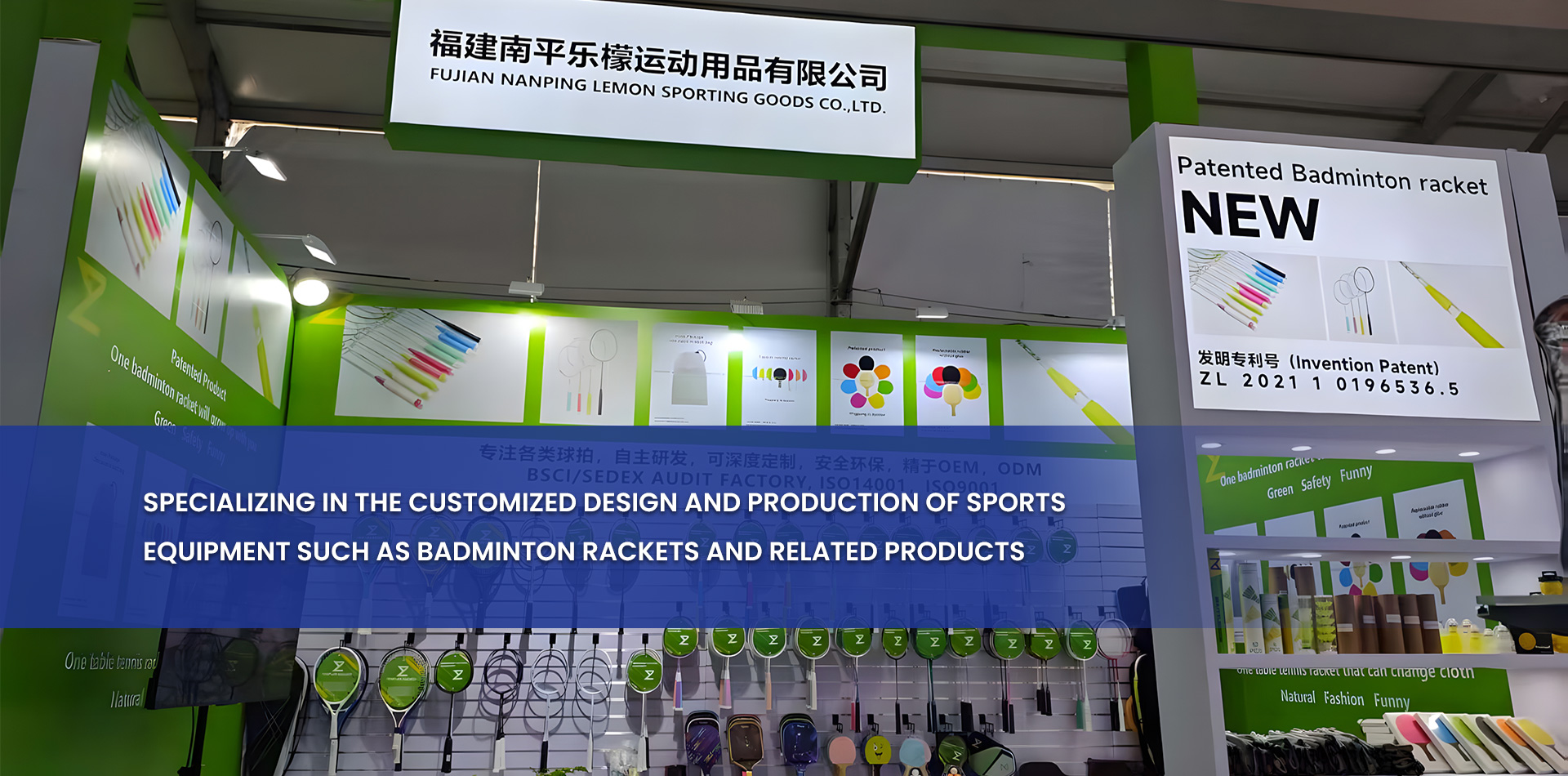
Selling imported goods successfully usually requires adaptation to local expectations.
Voltage and frequency: match the local power supply.
Language: manuals, labels and packaging in the market language.
Compliance text: importer identification and safety statements.
Packaging: retail-ready or transit-safe configurations.
Barcode: your GS1 barcode for retail channels.
Discuss customization before the first order, because changes to tooling and artwork affect lead time and MOQ.
Standard payment terms balance risk between buyer and seller. Common arrangements include a deposit with the balance against a copy of the bill of lading, letters of credit, and open account terms for established relationships.
For first orders, a deposit-plus-balance structure is normal. As trust builds, more flexible terms become available. Always confirm the terms in writing and use secure payment channels.
A good freight forwarder is worth more than a small difference in rate. They handle booking, documentation, customs brokerage and last-mile delivery, and they warn you about regulatory changes.
Ask for a door-to-door quotation and compare total landed cost rather than headline freight rate. Confirm which charges are included and which are billed separately.
Landed cost is the only meaningful basis for comparing suppliers. This table shows the typical components.
| Cost Component | Typical Share | Notes |
|---|---|---|
| Product cost (FOB) | 60â75% | The negotiable portion |
| Freight | 8â18% | Depends on mode and volume |
| Insurance | 0.3â1% | Recommended for sea freight |
| Import duty | 0â15% | Depends on HS code and origin |
| Customs clearance | 2â5% | Brokerage and handling |
| Inland delivery | 2â6% | From port to warehouse |
| Inspection | 0.5â2% | Optional but recommended |
Model these components before you negotiate. A supplier with a slightly higher FOB price but better packing efficiency can deliver a lower landed cost.

Regulatory requirements vary by market. These are the documents most commonly requested for this product category.
BWF Laws of Badminton: ensure the shipment documentation references this standard where applicable.
ISO 9001: ensure the shipment documentation references this standard where applicable.
CE: ensure the shipment documentation references this standard where applicable.
REACH: ensure the shipment documentation references this standard where applicable.
BWF approval: obtain a copy for customs and for your own records.
ISO 9001:2015: obtain a copy for customs and for your own records.
CE: obtain a copy for customs and for your own records.
Follow this sequence to keep a first import on schedule.
Prepare a complete technical specification and enquiry.
Obtain quotations on a consistent Incoterm.
Approve samples and confirm the final specification.
Agree payment terms, lead time and packaging.
Confirm the HS code and duty rate for your market.
Arrange freight and insurance with a forwarder.
Complete pre-shipment inspection before release.
Clear customs and arrange inland delivery.
Inspect on arrival and record results.
Customization requests sort into four families, and knowing the family tells you the negotiation before it starts. The grid below is the one to keep on the wall when change requests accumulate:
| Change Family | Typical Examples | Real Cost Driver | Lead-Time Effect |
|---|---|---|---|
| Identity changes | Logo, colour, packaging artwork | Tooling or print plate, usually one-off | None if artwork ready at order |
| Component swaps | Different bearing, motor, fabric grade | Unit price change; sometimes new qualification | 1â3 weeks if part is sourced new |
| Geometry changes | Dimensions, structure, layout | New tooling or mould â the expensive family | 4â10 weeks, tooling dependent |
| Regulatory changes | Market-specific certifications or labels | Testing and certification fees, retests | 3â8 weeks, lab queue dependent |
Two rules keep customization profitable: freeze the change list before production release (late changes pay overtime rates in reversed engineering, not just fees), and file the final specification as the new golden standard â the version that ships is the version the next quotation must match, and drift begins the day nobody files it.
CIF or DDP is easiest for a first shipment because the supplier arranges more of the process. Experienced importers often move to FOB to control freight cost and the forwarder relationship.
Sea freight takes roughly 25â45 days depending on route and service, air freight 5â10 days, and rail 15â25 days to inland Europe. Add production lead time before shipment.
Ask your customs broker or the supplier for the recommended classification, then verify it with your local customs authority. Incorrect classification can cause penalties.
It is strongly recommended for first orders. A third-party inspection verifies quantity, quality and packaging before the goods leave the factory.
A deposit with the balance against shipping documents is common for first orders. Letters of credit are used for larger transactions, and open account terms develop with established relationships.
Yes. Most factories offer private-label packaging, custom marking and market-specific documentation. Confirm MOQ implications early.
Request a door-to-door quotation itemising all charges, confirm which are included, and model the full landed cost before ordering.
Document the condition on arrival with photographs, notify the supplier and forwarder promptly, and reference your inspection and insurance terms.
Most sourcing crises are communication cadence failures wearing costumes: nobody agreed who reports what, how often, in which format, so the first real problem arrives as a surprise instead of a trend. The cadence below generalises across the badminton and racket sports equipment category:
| Rhythm | Content | Why It Prevents Crises |
|---|---|---|
| Weekly during production | One photo line: progress vs plan, any exceptions | Problems surface at day 3, not day 30 |
| Per shipment | Document pack + loading photos before departure | Errors correctable before the goods sail |
| Monthly | Open-order status: dates, quantities, risks | Your planning works on facts, not memory |
| Quarterly | Scorecard review call with named actions | Small grievances get aired before they compound |
| Annually | Strategy conversation: capacity, roadmap, pricing direction | Both sides plan against the same future |
The cadence costs the supplier minutes and buys both sides months of forecast calm. Agree it at kickoff, put it in the order terms, and hold your own side to it as strictly as you hold theirs â cadence failures are rarely one-sided, and the buyer who goes silent between orders has forfeited the right to complain about surprises.

Duty rates, import licensing, and audit exposure all hang on a ten-digit code that nobody in the transaction fully owns: the supplier guesses, the broker inherits, and the importer pays. Classification done properly is a three-step discipline:
Classify the product yourself first: take the specification â function, material composition, construction â and work the tariff yourself or with your broker before anyone quotes a rate. Your HS decision should not be an echo of the supplier's invoice habit.
Document the rationale: one paragraph per SKU stating the heading considered, the ruling or general rules of interpretation applied, and why. This paragraph is what converts a customs query from a penalty discussion into a five-minute reply.
Verify against the destination rules: the HS core is international, but national tariffs add digits and interpretations; a code correct for one market can mis-serve another. Confirm per destination market, and re-check when the product's material or function changes materially.
The payoff is structural: correct classification means paying the duty you owe â no more, no less â and it stabilises landed-cost models that would otherwise wobble every time a broker's guess moved. Customized badminton rackets products deserve special attention, because a geometry or material change can move them between headings that carry very different rates.
Custom orders live or die by how changes are priced mid-stream, and the failure mode is always the same: verbal acceptance of a 'small change', then an invoice line nobody recognised. A change-order clause takes one paragraph: any change to specification, material, packaging or quantity after production release is quoted in writing with its cost, schedule effect and approval requirement before work proceeds; approved changes amend the golden sample record and the invoice, not just the conversation. Suppliers respect the discipline because it protects them too â unpriced changes are how factories subsidise careless buyers â and the discipline converts every later dispute into a lookup. Buyers who skip it pay anyway; the difference is that they pay at claim prices instead of quotation prices.
Buyers track landed cost precisely and working capital loosely, which is odd, because the capital tied up between payment and sale is where importing actually strains. Map the stages once per programme:
| Stage | What Is Tied Up | Typical Duration | Lever |
|---|---|---|---|
| Deposit paid | Cash out, goods not started | 3â6 weeks | Milestone evidence before release |
| Production window | Deposit at risk, no goods to sell | 4â10 weeks | Weekly progress evidence |
| In transit | Balance paid or due; goods unsellable | 3â6 weeks sea, 1â2 air | Insurance, documentation accuracy |
| Customs and delivery | Duty and tax paid ahead of sale | Days to 2 weeks | Correct classification, pre-clearance |
| Receiving to shelf | Goods sellable but not sold | Your operation's number | Demand-linked order sizing |
The map's use is arithmetic honesty: a supplier whose price is 3% lower but whose minimum order ties up two extra months of stock may be the more expensive choice once capital cost is counted. Buyers who present this map internally also defend their order sizes better, because 'we ordered less' stops being timidity and becomes a capital decision with numbers attached.
Incoterms are quoted on every quotation and understood in fragments by most people quoting them. The working summary â the one worth keeping next to the PO:
| Term | Risk Transfers to Buyer | Buyer Should Verify |
|---|---|---|
| EXW | At the factory gate | Is export clearance and trucking actually arranged? Cheapest quote, longest to-do list |
| FOB | On board the vessel at origin port | Which port exactly; who books the vessel; the loading cut-off |
| CFR / CIF | When goods are on board (risk); costs differ | Insurance adequacy under CIF â cover is often minimum by default |
| DAP | At the named destination, before import clearance | Who clears import and pays duty â usually you |
| DDP | After import clearance at destination | Rare from origin suppliers; check the duty assumptions baked into the price |
Two habits prevent most incoterms disputes: name the exact place (not just the term â 'FOB' without a port is a negotiation) and align the term with who actually controls the freight. Buyers with a preferred forwarder buy FOB and control the booking; buyers without one often do better on CIF or DAP from a supplier with competent logistics â the right answer is organisational, not doctrinal.

Products retire, and so do their parts, and programmes that never asked 'what happens at end of life' meet the question as an emergency. The plan costs one page: for each product family, record the expected production horizon as the supplier states it, the last-buy options for parts, the equivalent successor model and its differences, and the stock strategy for the tail â the final years when demand outlives production. Ask the supplier in writing about discontinuation notice periods; twelve months is a reasonable ask, and suppliers answer it more concretely when the question arrives before the last order rather than after. Buyers who plan obsolescence convert retirements into managed transitions â successor qualification run in parallel, tail stock bought at production prices â while buyers who do not meet the same event as a crisis with a premium attached.
Working backwards: goods should be loaded one to two weeks before the holiday, production needs that again depending on scale, and materials need their own lead time â for most programmes this means confirming orders by early December for pre-CNY shipment. The factories that matter most to you are also the busiest then, so capacity is reserved by order date, not by intention.
Shrink the decision loops, not the production: approve samples faster, pre-book inspection slots, pre-clear documents, and release materials deposits on evidence rather than waiting for a weekly meeting. Production itself rarely compresses much; the administrative queue around it often hides two or three reclaimable weeks.
Convert everything to the same landed basis at your warehouse door, using your own forwarder rates for the legs each quote leaves open. The conversion takes minutes with a worksheet and removes the single most common source of false comparisons â the EXW quote that looks cheapest until its missing legs are priced.
Split by risk, not by dogma: consolidate where switching cost is low and volume earns priority, split where a single failure would stop your operation. The practical compromise most programmes land on is a primary with 70â80% and a qualified secondary holding the remainder â enough to keep the secondary warm and the primary honest.
Quotation, specification revision, golden sample record, PO, approvals, inspection reports, shipping documents, and the claim or concession correspondence â the full decision trail. Keep them for the product's service life plus the warranty period plus a year; quality disputes have long memories and short file retention, and only one of those is fixable in advance.
Once a year, review the sourcing programme as a whole rather than order by order: which suppliers earned growth and which coasted; which specifications produced disputes and need rewriting; where the freight calendar was beaten and where it beat you; what the year's claims, concessions and expedites actually cost in total. The output is a one-page reset â supplier actions, specification updates, calendar changes â issued to your own team and your top suppliers alike. Programmes without the post-mortem repeat the year with different dates; programmes with it compound small corrections into visible advantage, and the afternoon it costs is the cheapest consulting the programme will ever receive.
Risk registers have a reputation for theatre â long lists nobody reads â but a five-row register, reviewed quarterly, is a different instrument: it converts background dread into named, owned, dated items. The rows that matter for most badminton and racket sports equipment programmes:
| Risk | Early Indicator | Mitigation in Place | Review Trigger |
|---|---|---|---|
| Single-source dependency | SKUs without a warm alternative | Qualified secondary, sampled twice yearly | Any supply interruption |
| Quality drift | Rising detection gap between factory QC and third-party findings | Scorecard trend review, PSI tightening | Two consecutive declining scorecards |
| Freight volatility | Spot rates moving against contract rates | Booking calendar, contract rate windows | Quarterly forwarder review |
| Regulatory change | Destination-market standard updates in force dates | Standards watch list per destination market | Annual compliance sweep |
| Supplier concentration in a region | Regional disruption news touching your lanes | Volume split across regions for critical families | Any regional event |
The register's value is the fourth column: pre-agreed triggers convert each risk from a mood into a decision point. Buyers who maintain one spend their worry on schedule, which is cheaper than spending it at two in the morning â and their programmes recover faster, because the mitigation was chosen calmly before it was needed.
Sourcing knowledge is stored dangerously: in one buyer's inbox, one manager's habits, one relationship's goodwill. Staff changes then cost more than the sum of re-reading emails â they cost re-learned lessons and reset relationships. The handover file prevents the reset, and it is genuinely one folder: supplier records with contacts and history, the golden sample register, specifications with revision dates, the scorecard archive, open commitments and promises made, the freight and customs documentation kits, and a one-page 'how decisions get made here' note. Update it quarterly, and the departure of any single person becomes an inconvenience rather than an event. The test of the file is brutal and simple: could a competent newcomer award the next order correctly using only what is written down? Suppliers can tell the difference between a programme with memory and one that starts over every two years, and they price accordingly.

Negotiation outcomes depend heavily on timing, and timing follows a calendar most buyers never draw. The annual rhythm that works:
| Window | Conversation | Why Then |
|---|---|---|
| Quarter end / year end | Volume commitments, annual pricing | Supplier targets are most movable against their calendar, not yours |
| Before the September peak | Freight contracts and booking strategy | Capacity is committed before the crunch reprices it |
| Novemberâearly December | CNY exit plan and pre-holiday orders | Late December asks meet closed factories |
| Spring soft season | Non-urgent volume, spec upgrades | Factory attention and capacity are at their most available |
| After each scorecard review | Corrective actions and relationship asks | Feedback is fresh and goodwill is concrete |
The calendar does not guarantee outcomes; it removes the self-inflicted losses â the price negotiation attempted in the pre-CNY crush, the capacity request raised after the peak was booked. Buyers who negotiate on schedule are also simply calmer negotiators, and calm reads as leverage even when nothing else has changed.
A year into the practices this guide describes, the programme shows signatures no single order can fake: the scorecard conversation runs both directions, because suppliers now bring their own numbers; quotations arrive with assumptions stated and validity dated, because the last three sloppy ones were returned; claims, when they occur, settle on documents within weeks; the second source is genuinely warm and the freight calendar is annotated a year ahead; and the annual post-mortem's one-page reset is already half-executed before the next year starts. None of these required a larger budget â they required the disciplines above, applied past the novelty period. If the signatures are absent at month twelve, the gap is rarely effort; it is usually that one upstream habit â the specification, the milestones, the cadence â was skipped, and the skip is findable in an afternoon.
The disciplines in this guide are not aspirations at æå·ä¹æª¬è¿åºå£æéå ¬å¸ â they are how we operate with long-term customers: specifications written to be checked, milestones tied to evidence, data packs produced per shipment, and a negotiation calendar we plan our own capacity around honestly. We would rather demonstrate the standard on a trial order than describe it in a brochure.
If you are building a new badminton rackets programme, repairing one that has drifted, or planning volume across the year's capacity windows, send us your specification and your hardest constraint. You will receive a plan you can check line by line â and the measure of its quality is how few of its assumptions you need to remove.
If you are planning a first or repeat import of badminton and racket sports equipment, æå·ä¹æª¬è¿åºå£æéå ¬å¸ (www.factoryracket.com) can guide you through specification, packaging, documentation and shipping. Visit www.factoryracket.com to discuss your requirement and request a landed-cost quotation.
Этот веб-сайт использует файлы cookie, чтобы обеспечить вам максимально эффективное использование нашего веб-сайта.


 English
 Español
 Français
 日本語
日本語 한국어
한국어 العربية
 हिन्दी
 Tiếng Việt
 中文
中文



 телефон
Комментарий
(0)